2023–2027 · TÜBİTAK 1004 · 23AG005
İnsan Fonksiyonunu Tehdit Eden Zorluklara Karşı Nöroteknolojik Çözümler Platformu
Mükemmeliyet Merkezi Destek Programı
Leader of the Bilkent University component · Coordinator: Can Yücesoy
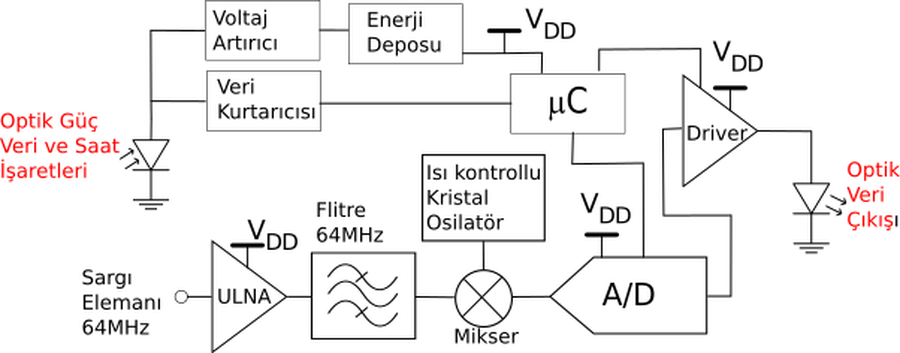
Bilkent Funding supports three projects lead by Drs. Tolga Cukur, Emine Saritas and Ergin Atalar. Project 10. High Performance Digital Receiver for MRI with optical communication. (Yüksek performanslı optik iletişimli sayısal MR alıcısı geliştirilmesi)
2026–2029 · TÜBİTAK 1001 · 125E832
Eddy Current Compensation with Gradient Arrays in Magnetic Resonance Imaging
Manyetik Rezonans Görüntülemede Gradyan Dizileri için Girdap Akım Telafisi
Principal Investigator: Ergin Atalar
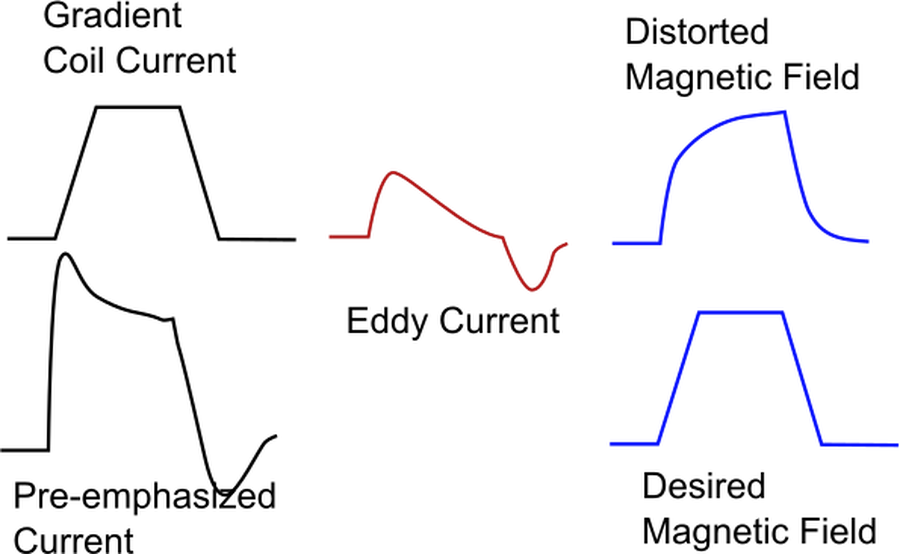
In Magnetic Resonance Imaging (MRI), the gradient magnetic fields used can induce eddy currents in the magnet that produces the static magnetic field, leading to two significant undesirable effects. First, the eddy currents can heat the superconducting magnet, potentially disrupting its superconductivity. This can result in high repair costs and render the imaging system inoperable for several days. In addition to this critical issue, the magnetic fields generated by eddy currents can distort the resulting images. These well-known problems have established mitigation strategies in conventional MRI systems.
The emerging gradient array technology enables the acquisition of images that cannot be obtained with conventional MRI systems. However, while the eddy current problem has established solutions in conventional systems, it remains an unresolved issue for systems utilizing gradient arrays.
In this project, we aim to develop innovative methods that reduce eddy currents and correct the resulting magnetic field distortions when using gradient array technology. In our preliminary work, we developed solution approaches that required extensive computation time. The proposed method provided a more effective solution to the eddy current problem than conventional systems. However, due to reliance on a commercial finite element software, these methods proved impractical for real-world application.
In the first work package of the project, we plan to achieve significantly faster solutions for electromagnetic calculations by using magnetoquasistatic methods. In the second work package, we will represent the frequency-domain calculations as a multi-input multi-output (MIMO) filter. In the final work package of the project, we will demonstrate the use of our developed method to compensate for eddy currents induced by fundamental imaging sequences when using a gradient array system that we are currently developing.
As a result of this project, we will eliminate yet another barrier to the practical implementation of a gradient array technology that has the potential to fundamentally transform magnetic resonance imaging techniques.
2025–2027 · TÜBİTAK 2247-B · 125C001
A Massive Gradient Array for Magnetic Resonance Imaging: More is Different
ERC Projeleri Güçlendirme Desteği Programı
Principal Investigator: Ergin Atalar
The gradient systems are the engines of magnetic resonance imaging (MRI) scanners. The conventional MRI scanners are equipped with three coil-amplifier pairs. Expensive and very powerful amplifiers drive the x-, y- and z-gradient coils. The switching speed and strength of the gradient field determine the image quality and speed, but the nerve stimulation limits these due to the induced electric field in the body. The distribution of the magnetic field and the body’s position determine the electric field. In conventional systems, linear magnetic fields are generated in a large diameter of a spherical volume (DSV) independent of how patients are located inside the scanner. However, linear fields are not necessary in a large DSV at all times during imaging. The changing need for linearity cannot be obtained with conventional design.
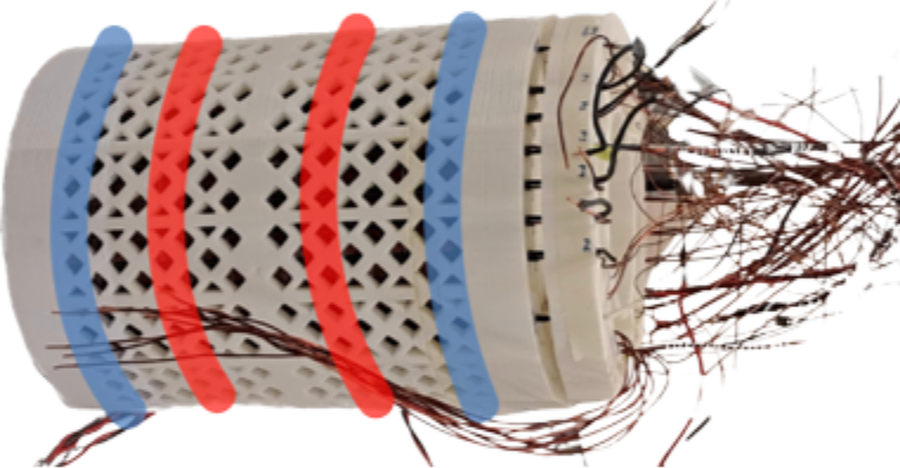
The project proposes a design for a massive gradient array system that maximizes the nerve stimulation threshold dynamically by modulating the electric field distribution in the body while providing the needed magnetic field distribution during imaging. The proposed design will also enable imaging in the conventional imaging mode with the large DSV to ensure compatibility with the existing technologies. Unlike the conventional systems, many inexpensive digitally controlled amplifiers will be in the close vicinity of the coil elements. Complete digital control of the system will enable maximum utilization of the available hardware, provide high fidelity gradient fields and generate the highest quality brain images.
Currently, MRI is the most powerful diagnostic imaging instrument. The wealth of diagnostic information is limited by available imaging time and cost. The gradient hardware limitations hold many exciting imaging techniques for accurately diagnosing devastating diseases. The proposed massive gradient system will eliminate one of the critical barriers to further developing MRI technology.
The aim of this TÜBİTAK 2247-B project is to collect preliminary data to strengthen the ERC Advanced Grant application.